Powered By Blogger

May 2022 Newsletter of the Sandy Spring Museum Garden Club


Garden Club News


Immerse yourself in the spring display of beautiful local gardens. Grow your inspiration as you walk through 5 remarkable gardens. Among the various landscapes, you will enjoy spring bulbs, annuals and perennials, ornamental trees and shrubs, and a variety of hardscapes.

Locally grown vegetable plants, including heirloom tomatoes and herbs, will be available for purchase.  

The Garden Tour is held rain or shine.  

About the Gardens:

Garden One:  This 14-acre historic property sits on a rise with a spectacular view of the Triadelphia Reservoir and includes many old trees, original buildings, an antique iron gate and a lovely old stone wall. 

Garden Two: A peaceful 3-acre property with a challenging backdrop of mature woodland, heavy shade, dry soil and abundant deer(!). 

Garden Three: Inspired by a love of nature and gardening, this garden is an extraordinary collection of shrubs, evergreens, trees and perennials. Aptly named “Helmut’s Little Arboretum” the garden has been carefully designed to weave together an extraordinarily pleasing mรฉlange of shapes, sizes, color and textures, which includes many unique plantings. 

Garden Four: With an emphasis on organic practices and a garden design that is accessible and practical for aging gardeners, the residents of this retirement community maintain both personal beds and community gardens providing fresh vegetables, fruits and herbs. 

Garden Five: This property, challenged with a difficult sloping lot, is an excellent example of a design that artfully combines practical needs with aesthetics. 

The Mary Rice Award

Every year the Garden Club awards a presentation to one of our dedicated and hard-working members. This year the award went to Claire Bode.  Claire's list of accomplishments include: Museum member since 2001; Vice President from 2006-2007;  Refreshment Chair 2007, 2016-present; Courtyard/Herb Garden Co-Chair 2014-2015; Garden Tour Co-Chair 2019; Trips Committee 2019-2020; Greens Sale workshop leader and Velvet Bow Maker.  

An expert cook, you will find her delectable food spread and table decorations at all our events. 


Courtyard Garden Angels

Our gardening group gets the courtyard garden in tip-top shape.


Tussie Mussies


On April 10th the Garden Club was treated to a wonderful talk and demonstration on making Tussie Mussies, led by Rhonda Panzera and Ellen Feeney. Each participant made their own tussie mussie held in a lace collar and tied with a colorful ribbon.

What is a tussie mussie?
Tussie is a small group of flowers held together in a little bouquet that was held near the nose level, and mussie was the moss that was moistened and put around the stems of flowers to keep the bouquet from wilting.

During the medieval ages people carried pomanders filled with fragrant herbs to neutralize odors due to lack of sanitation and sewage. In the 18th century, decorative small vases arrived which could be filled with fragrant herbs and pinned to clothing or held close to the nose to again offset the unpleasant odors. During the 19th century the posy holder was still used to neutralize smells but it became a popular fashion accessory due to Queen Victoria (1837-1901) who always carried a tussie mussie with her. Soon the carrying of the small bouquets in decorative holders caught the interest of the wealthy and middle class and posy holders were mass produced in a variety of sizes and materials.

The tussie mussie became an important vehicle for floriography, the language of flowers, which was one of the Victorians favorite preoccupations. Each flower held a different meaning and together conveyed a sentiment. These talking bouquets had secret messages that couldn’t be said out loud in polite society. So the tussie mussie became a popular gift for courtship. A lady receiving a tussie mussie could pin it to the cleavage of her bosom which would signify friendship. If she pinned her over her heart it meant declaration of love. Which hand a tussie mussie was received held meaning as well if the bouquet was pointed down. The message could be complicated so flower dictionaries were carried to help decipher the meaning.

Tussie mussies can be given for birthdays, anniversaries, get well, sympathy, etc.  A sentiment tag attached to the bouquet with the meaning of each will be a keepsake for the recipient.

According to sources The Posey Book and other sources on the meaning of flowers, the sentiments of our bouquets were represented by the flowers we used. The rose for longevity, the waxflower for lasting love, the baby's breath for everlasting love, the lamb's ear for comfort and chrysanthemum for joy.


May Flowermarts and Festivals


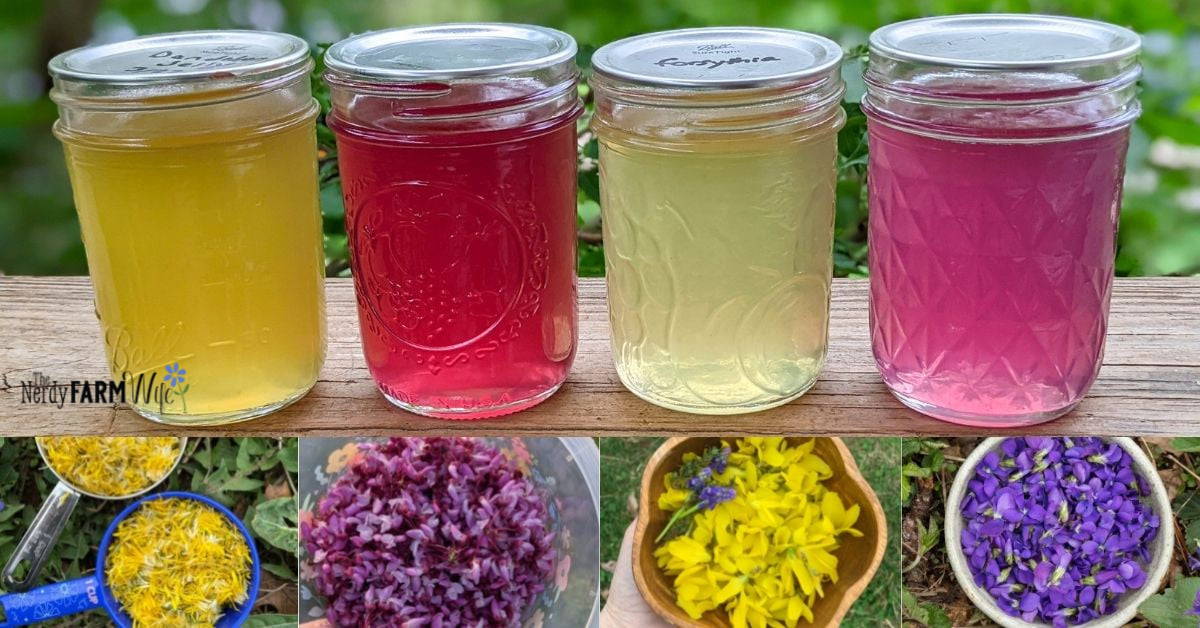
Have you tried making jellies with your edible flowers?
From The Nerdy Farm Wife
๐ŸŒธ 4 spring flower jellies my daughter & I've made this year: ๐Ÿ˜Š

  The Garden Club is a body of the Sandy Spring Museum

Learn more about our activities and how to join the Garden Club.
https://www.sandyspringmuseum.org/programs-and-events/garden-club
email:  gardenclub@sandyspringmuseum.org or call 301-774-0022.
Follow us on Facebook

April 2022 Newsletter of the Sandy Spring Museum Garden Club


Garden Club News


Tussie Mussies and the Language of Flowers
Sunday, April 10
 2-4 pm

Don't know what a tussie mussie is?  Tussie mussies were small bouquets popular during the Victorian era.  Each flower, which was assigned its own meaning and message, allowed the
giver of a tussie mussie to send a subtle note of affection to a friend or lover.  Educate yourself on the language of flowers and the history of this craft while creating your own tussie mussie (for yourself or for a loved one!) We are planning for an in-person program in April. You may register HERE


May 21   10-4

Tickets available April 4th on the Garden Club Website


Garden One


Located on what was once Quaker farmland in historic Sandy Spring, the nearly two-acre garden includes beautifully managed vegetable, fruit, herb and flower gardens as well as an apiary. Residents maintain the gardens, employing organic practices that emphasize sustainability and land stewardship.  The joy and satisfaction of nurturing a garden and being outdoors provide therapeutic and pleasant experiences for many.  In recent years, an increased emphasis has been placed on making the garden more accessible for all residents as well as practical for aging gardeners. 

Resident gardeners may request private plots for their personal use.  There are also a number of community beds that grow fresh produce for residents who do not garden.  Specialty gardens such as the rose garden, the butterfly garden, the Shakespeare garden and cutting gardens provide enjoyment for all residents and visitors.  Just outside the garden fence is the greenhouse which is used for starting plants from seed and caring for houseplants throughout the year. Greenhouse plants are displayed in the common area called Flower Alley for all residents and visitors to enjoy.  From the greenhouse, paver paths lead past the cutting beds to a pergola where small groups often gather. Within the garden are four compost bins for which the gardeners have won awards from the Montgomery County Recycling program for the composting operation.  A unique feature is the apiary which provides honey that is sold to help fund garden activities.           

                                                                                                              Garden Two


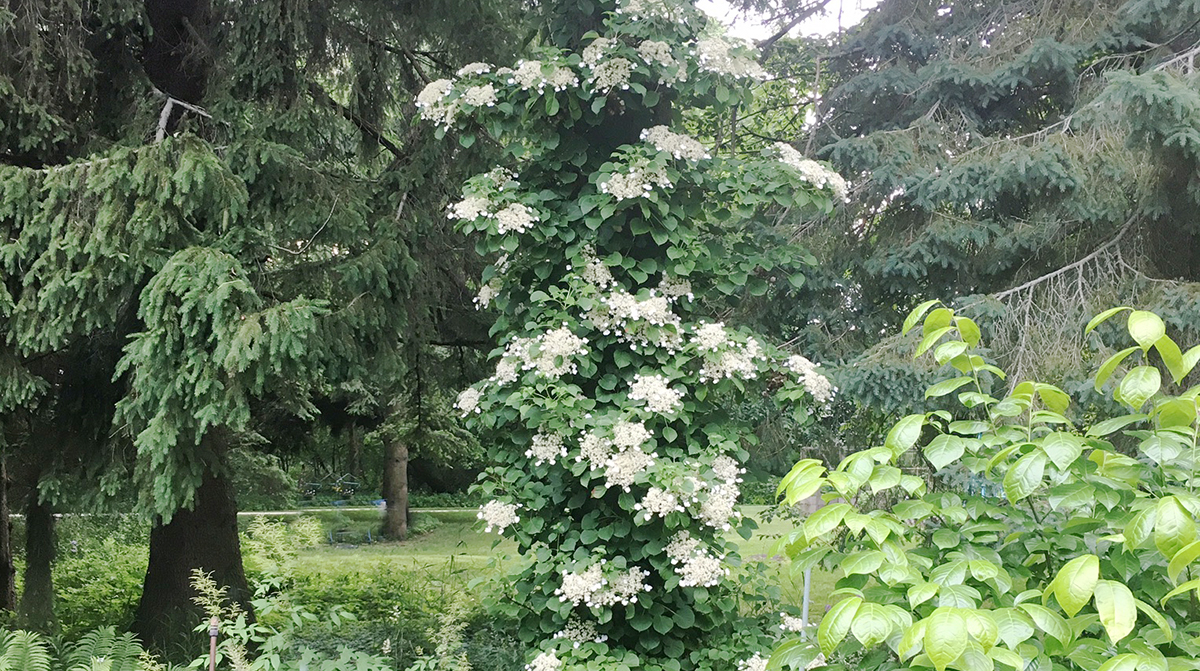
This three-acre property is a secluded paradise of garden rooms and patios.  Twenty years ago, faced with the triple challenge of heavy shade, dry soil and abundant deer, the homeowners designed and defined the garden with natural hardscaping and a changing palate of bushes, trees, perennials and bulbs.  Visitors will discover a shady and peaceful garden room aptly named the Retreat Garden.  The rock lined space is filled with deer resistant hellebores, ferns and spring ephemerals.  Wander down the sloping hillside and discover a comfortable patio and winding rock lined rooms filled with a variety of shrubs, trees and perennials. The gardens serve to absorb runoff from the sloping hillside.   An abundance of spring bulbs, Virginia bluebells, and ferns bring an accent of color and brightness to shady nooks.  Paths lead visitors to plantings of rhododendrons, ferns, Japanese maples and another patio and sitting area.  Weeping cherries, more delicately twisting Japanese maples, climbing hydrangeas, tree peonies and rows of grass outline the stone paths.   A third, elegantly curved flagstone patio offers a sunny space for the family to enjoy the garden

and the natural surroundings.


                                                                                               Garden Three


 When the homeowners purchased their historic home and 14-acre property 24 years ago, the grounds had been neglected and overgrown.  The owners began a surge of interior and exterior improvements, including the restoration of the old perennial bed and the creation of several other garden areas.   As you enter the property you are greeted by many native specimens and a whimsical garden “bed.”  You also have a spectacular view of the Triadelphia Reservoir and across the lake lies the Brighton Dam Azalea Gardens. The kitchen garden is home to dogwoods, rhododendrons and azaleas as well as a variety of shade loving perennials.  An antique black iron fence is covered with fragrant blooming vines.    Sedums overflow a garden bathtub and grow voluntarily on and around the old pump and greenhouse.  The patio garden is filled with brightly colored lantana and purple daylilies.  A lovely old stone wall is a backdrop for a riot of daylilies, oriental lilies, iris, roses, black-eyed Susan, salvia, poppies, coreopsis, redbud, boxwood, hydrangea and much more.  Outside the stone wall is a magnificent variety of peonies.  The pasture side of the house sports mature hickory and maple trees with a shady understory of shrubs, hosta and heuchera.   The continuing development and transformation of the gardens has made the venue for many local garden tours.  Relax on the open porch, patio or pool deck with a glass of lemonade and take in the serenity and amazing beauty of the place. 


                                                                                         Garden Four 


.

These homeowners call their garden Helmut’s Little Arboretum and understandably so.  They have been filling their quiet suburban yard with a varied and vast collection for over 40 years.  Helmut graduated from the University of Heidelberg and worked in the arboriculture field in Germany, Sweden, Switzerland, and Holland.  In 1961 he accepted a job at the legendary Behnke’s Nursery and managed their woody plant areas until he retired. A love of gardening and nature inspired their gardens, which continue to expand under their care.  Helmut’s love of evergreens forms the core of the gardens that is accented with many unusual plant specimens.  Garden spaces are unified with an assortment of dwarf evergreens, ferns, perennials, bulbs, stone and garden art. Ornamental grasses, shrubs and architecturally pruned trees accent magical garden sections.  The effect is a stunning watercolor and a blended contrast of color, texture, size and shape.  Flowering and fruiting vines decorate fence property lines.  A working greenhouse and garden house provide space for Helmut and Linda to propagate new plantings. In the Spring the back patio becomes home to an exotic jungle of tropical houseplants.   A front pond with horsetail, iris and other water plants provides a natural setting for wildlife and a home for the spring and summer frog chorus.


                                                                                                               Garden Five


This garden on a wooded three-acre lot is a prime example of how to design and develop a garden on a difficult lot. With slopes on three sides of the property, the owners needed to build a garden that combined practical applications to prevent runoff and erosion as well as to create an aesthetically beautiful landscape. Faced with the task of mowing a very steep hill on the side of their property, they created an impressive, triple level stone terrace. The tiers are filled in with tree peonies, roses, spirea and perennials providing year-round interest and seasonal colors.  Ground plantings of lavender blue mazus, iris and bright primrose rim the stately tall trees that sit atop the terrace garden.  Strategically placed decorative faux stones blend in naturally with the wooded area. 

Follow the steps down the hill to the back and enjoy a mass of ice plants, spirea and fragrant lilac. The cracks between the flagstones of the curved patio have been hand planted with mondo grass to inhibit weeds and prevent soil loss.  A sunken bed with wet feet is home to cheery yellow creeping jenny.  A special separate patio includes a stone fire pit where the family can relax and listen to the trickle of the creek.  Another stone terrace secures the hill leading to the stream valley.  The garden is an ingenious and extraordinary example of practicality and beauty.

Annual, vegetable and herb plants will be for sale at garden number five.


                                              The Garden Club is a body of the Sandy Spring Museum

Learn more about our activities and how to join the Garden Club.
https://www.sandyspringmuseum.org/programs-and-events/garden-club
email:  gardenclub@sandyspringmuseum.org or call 301-774-0022.
Follow us on Facebook


March 2022 Newsletter of the SSM Garden Club


Garden Club News


Tussie Mussies and the Language of Flowers
Sunday, April 10
 2-4 pm

Don't know what a tussie mussie is?  Tussie mussies were small bouquets popular during the Victorian era.  Each flower, which was assigned its own meaning and message, allowed the
giver of a tussie mussie to send a subtle note of affection to a friend or lover.  Educate yourself on the language of flowers and the history of this craft while creating your own tussie mussie (for yourself or for a loved one!) We are plannlng for an in-person program in April. You may register HERE


๐Ÿ’ฎ๐Ÿ’ฎ๐Ÿ’ฎ๐Ÿ’ฎ๐Ÿ’ฎ๐Ÿ’ฎ๐Ÿ’ฎ๐Ÿ’ฎ๐Ÿ’ฎ๐Ÿ’ฎ๐Ÿ’ฎ๐Ÿ’ฎ๐Ÿ’ฎ๐Ÿ’ฎ๐Ÿ’ฎ๐Ÿ’ฎ๐Ÿ’ฎ๐Ÿ’ฎ๐Ÿ’ฎ๐Ÿ’ฎ๐Ÿ’ฎ๐Ÿ’ฎ๐Ÿ’ฎ๐Ÿ’ฎ๐Ÿ’ฎ๐Ÿ’ฎ๐Ÿ’ฎ๐Ÿ’ฎ๐Ÿ’ฎ๐Ÿ’ฎ                                                                        

                                              Daffodils  

Narcissus is a genus of predominately spring flowering perennial plants of the amaryllis family, Amaryllidacceae. Various common names including daffodils, jonquils and narcissus are used to describe all or some of the genus. Wikipedia

Depending on  which botanist you talk to, there are between 40 and 200 different daffodil species, subspecies or varieties of species and over 32,000 registered cultivars (named hybrids) divided among the thirteen divisions of the official classification system.  Daffodils multiply in two ways: asexual cloning (bulb division) where exact copies of the flower will result, and sexually (from seed) where new, different flowers will result.

Seeds develop in the seed pod (ovary), the swelling just behind the flower petals. Most often, after bloom the seed pod swells but it is empty of seed. Occasionally, wind or insects can pollinate the flower during bloom by bringing new pollen from another flower. When this happens, the seed pod will contain one or a few seeds.

Daffodil hybridizers pollinate flowers by brushing pollen from one flower onto the stigma of another. Then the resulting seed pod can contain up to 25 seeds. Each of these will produce an entirely new plant – but the wait for a bloom for a plant grown from seed is about 5 years!

After daffodils have flowered you can dead head the bloom so that energy goes into building the bulb for next year’s flower instead of seed production. Before removal of the leaves, they should be allowed to die back naturally until they are at least yellow.

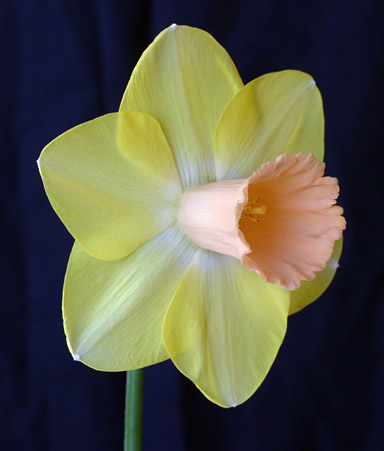
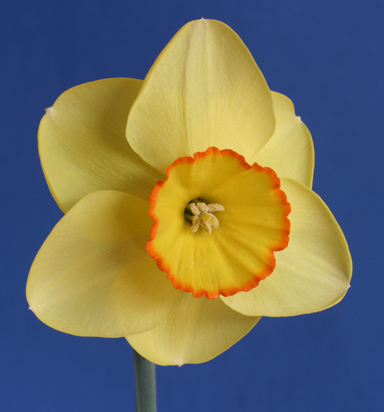
There are thirteen descriptive divisions of daffodils.

 
American Dream, 1Y-P
American Dream 
Division 1 - Trumpet Daffodils
                                                
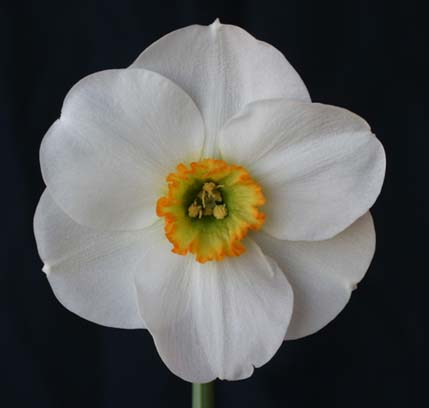
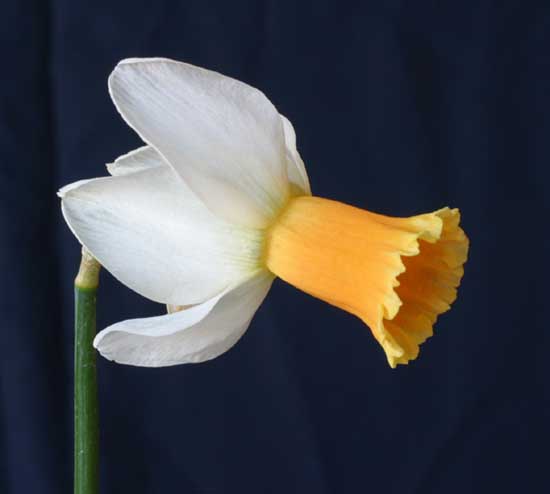
Pacific Rim, 2 Y-YYR
Pacific Rim
Division 2 - Large Cupped Daffodils

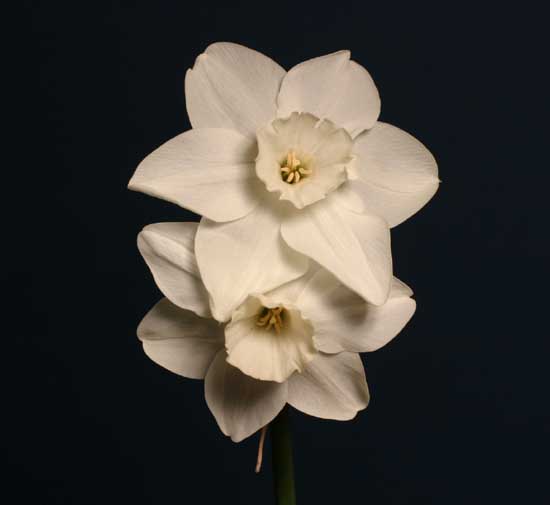
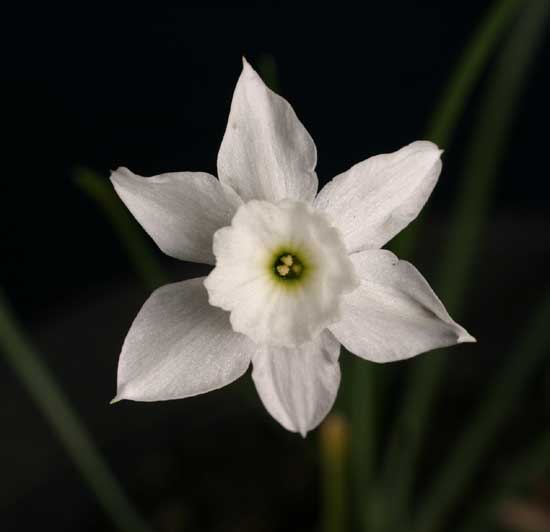
Emerald Light, 3 W-GYO
Emerald Light
Division 3 - Small Cupped Daffodils

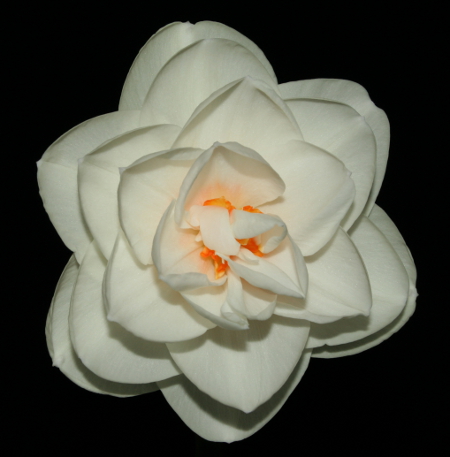
Rose Garden 4 W-R
Rose Garden
Division 4 - Double Daffodils
     
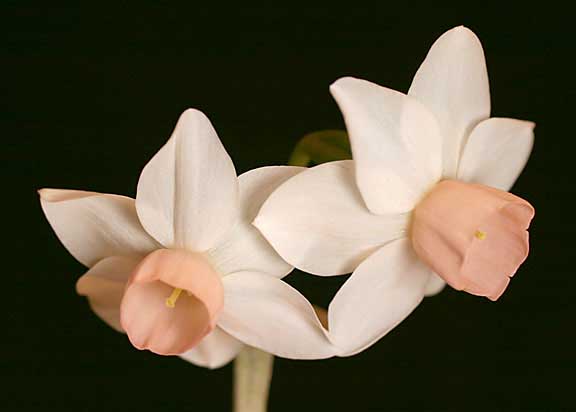
Akepa, 5 W-P
Akepa
Division 5 - Triandrus Daffodils

Saint Louie Louie, 6 W-Y
Saint Louie Louie
Division 6 - Cyclamineus Daffodils
Wendover, 7 W-W
Wendover
Division 7 - Jonquilla Daffodils
Early Pearl, 8 W-Y
Early Pearl
Division 8 - Tazetta Daffodils
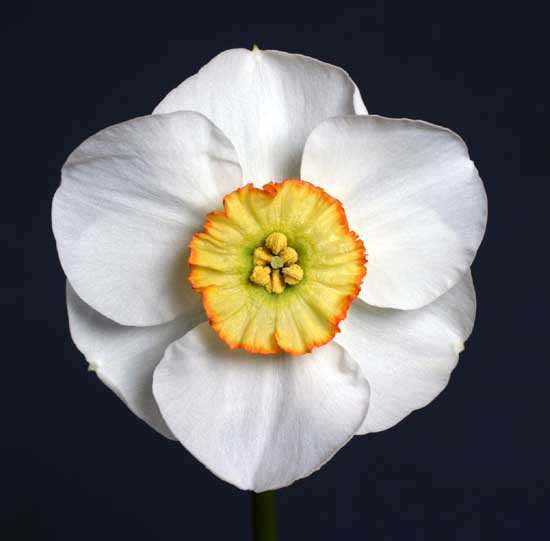
Lemon Cooler, 9 W-GYR
Lemon Cooler
Division 9 - Poeticus Daffodils

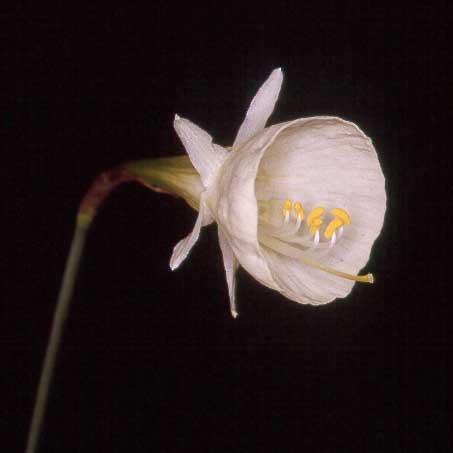
Cornish Cream, 10 W-W
Cornish Cream
Division 10 - Bulbocodium Hybrids
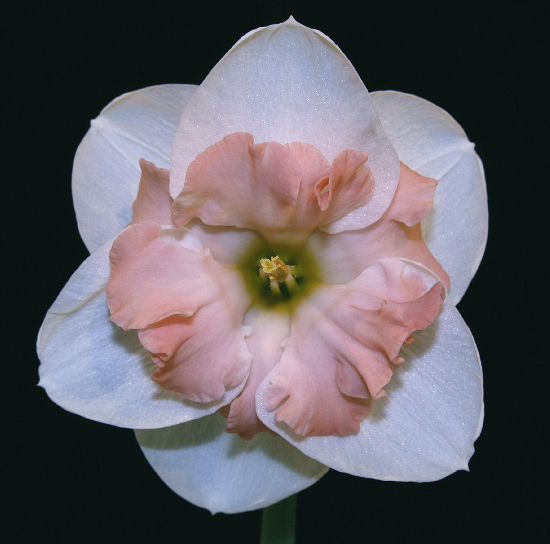
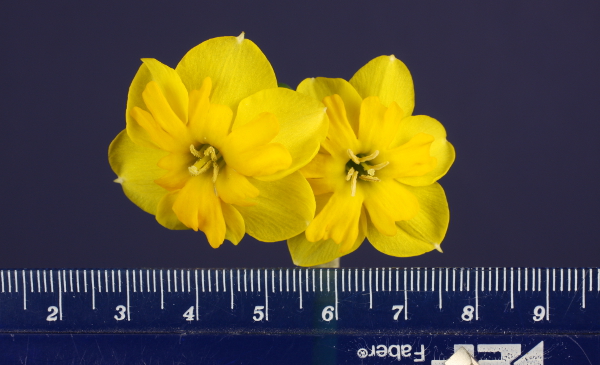
Trigonometry, 11a W-P
Trigonometry
Division 11a - Split-cupped Collar Daffodils
Jodi 11b W / PW
Jodi
Division 11b - Split-cupped Papillon Daffodils

Mesa Verde 12 G-GGY
Mesa Verde
Division 12 - Other Daffodil Cultivars

N. rupicola subsp. watieri, 13 W-W
N. rupicola subspecies watieri
Division 13 - Daffodils distinguished solely by botanical name

Itsy Bitsy Splitsy 11a Y-O
Itsy Bitsy Splitsy
Miniature Daffodil
Upcoming Daffodils Shows:

Washington Daffodil Society
The Alexandria Valley Scottish Rite Temple
1430 W, Braddock Rd, Alexandria, VA 20322
Open to the public April 9, 2-3pm and April 10, 10am-1pm

Maryland Daffodil Society
Vollmer Center at the Cylburn Arboretum, Baltimore
April 21, 10am-3pm

2022 National Daffodil Convention
The Northeast Region is hosting the American Daffodils Society's 2022 National Convention at the Wyndham in Gettysburg, PA . The show will be open to the public on Friday, April 29 from 2-6 and Saturday, April 30 from 9-5.


The Garden Club is a body of the Sandy Spring Museum
Learn more about our activities and how to join the Garden Club.
https://www.sandyspringmuseum.org/programs-and-events/garden-club
email:  gardenclub@sandyspringmuseum.org or call 301-774-0022.
Follow us on Facebook


February 2022 Newsletter


Garden Club Programs


 Nesting Habits: From Eagles and Owls to Backyard Birds.

February 13, 2022
Zoom Program  2 - 4pm

Can you spot an eagle's nest in the wild? Learn how to transform your own backyard into a birder's paradise.
Explore Maryland and the D.C. area through a bird’s eye view with expert and local naturalist Sue Muller!  Discover tips and tricks on how to find eagles and owls in your area as Sue discusses her work on the Maryland/ D.C. Breeding Bird Atlas 3. Sue will also talk about the exciting project on mapping the distribution of local nesting patterns. Find out how you can participate in the mapping project and share your observations with scientists working to understand our changing ecosystems.

Sue will also be sharing some simple ways to help make our gardens the perfect nesting habitat for birds this season. Invite your family and friends to learn with you!

Sue Muller has a life long passion for birds and environmental conservation. After earning a degree from West Virginia University in Wildlife Management, Sue spent 35 years of her 40 year career in Natural Resources  with the Howard County Department of Recreation and Parks. Currently she is the Howard County Co-coordinator for the Maryland/DC Breeding Bird Atlas 3 and a contributing editor for the Maryland Biodiversity Project.

Register for the program HERE .
There is no fee. Uncheck the blue box to bypass the donation.

๐ŸŽ•๐ŸŽ•๐ŸŽ•๐ŸŽ•๐ŸŽ•๐ŸŽ•๐ŸŽ•๐ŸŽ•๐ŸŽ•๐ŸŽ•๐ŸŽ•๐ŸŽ•๐ŸŽ•๐ŸŽ•๐ŸŽ•๐ŸŽ•๐ŸŽ•๐ŸŽ•๐ŸŽ•๐ŸŽ•๐ŸŽ•๐ŸŽ•๐ŸŽ•๐ŸŽ•๐ŸŽ•๐ŸŽ•๐ŸŽ•๐ŸŽ•๐ŸŽ•๐ŸŽ•๐ŸŽ•๐ŸŽ•๐ŸŽ•๐ŸŽ•๐ŸŽ•๐ŸŽ•๐ŸŽ•๐ŸŽ•๐ŸŽ•๐ŸŽ•๐ŸŽ•

Tussie Mussies and the Language of Flowers
Sunday, April 10
 2-4 pm

SSM Garden Club members invite you to join them to make Tussie Mussies, small bouquets of flowers that convey a message through the meaning of each flower. Learn about the history of Tussie Mussies and the language of flowers. Then enjoy creating your own Tussie Mussie!

We are planning for an in-person program in April, however if the covid situation dictates a change to a virtual program, details will be provided on our website.

⚘⚘⚘⚘⚘⚘⚘⚘⚘⚘⚘⚘⚘⚘⚘⚘⚘⚘⚘⚘⚘⚘⚘⚘⚘⚘⚘⚘⚘⚘⚘⚘⚘⚘⚘⚘⚘⚘⚘⚘⚘⚘⚘⚘⚘⚘⚘⚘⚘⚘⚘⚘

                                          Garden Shows Near and Far

In case we get to travel oversees this year, here are some wonderful Garden Shows taking place:

Keukenhof in Lisse, Holland   March 24-May 15.

Keukenhof is a park where more than 7 million flower bulbs are planted every year. Gardens and four pavilions show a fantastic collection of tulips, hyacinths, daffodils, fritillaria, orchids, roses, carnations, irises, lilies and many other flowers.


Garden Munich, Germany  March 3-9

Fete des Plantes de Printemps, Saint-Jean-de-Beauregard, France, April 1-3

Floriade Expo 2022, Almere, Holland  April 14- October 9

Every 10 years, all the horticultural greats gather during this International Horticultural Exhibition. Within the theme "Growing Greener Cities" more than 400 international participants showcase their latest green innovations, solutions and applications.


Floralien Gent   Ghent, Belgium April 29-May 8

The Chelsea Flower Show, London  May 24-28

The RHS Chelsea's gardens represent the pinnacle of horticultural excellence, with show stopping designs, innovative materials and glorious blooms at the peak of perfection.


Valencia Flower Expo, Spain   October 4-6

And here in the US:

EPCOT International Flower & Garden Festival, Orlando  March 2-July 4
Attend a springtime event abloom with brilliant gardens, fresh flavors, lively entertainment and more.


The Philadelphia Flower Show, FDR Park  "In Full Bloom"    June 11-19

As the nation's largest and longest running horticultural event, the PHS Philadelphia Flower Show is a stunning and educational look at the world of floral design and gardening. Annually, the event features breathtaking displays by the world's premier floral and landscape designers.


๐Ÿ•ฎ๐Ÿ•ฎ๐Ÿ•ฎ๐Ÿ•ฎ๐Ÿ•ฎ๐Ÿ•ฎ๐Ÿ•ฎ๐Ÿ•ฎ๐Ÿ•ฎ๐Ÿ•ฎ๐Ÿ•ฎ๐Ÿ•ฎ๐Ÿ•ฎ๐Ÿ•ฎ๐Ÿ•ฎ๐Ÿ•ฎ๐Ÿ•ฎ๐Ÿ•ฎ๐Ÿ•ฎ๐Ÿ•ฎ๐Ÿ•ฎ๐Ÿ•ฎ๐Ÿ•ฎ๐Ÿ•ฎ๐Ÿ•ฎ๐Ÿ•ฎ๐Ÿ•ฎ๐Ÿ•ฎ๐Ÿ•ฎ๐Ÿ•ฎ๐Ÿ•ฎ๐Ÿ•ฎ๐Ÿ•ฎ๐Ÿ•ฎ

Cozy up with a good novel this winter. These books use a garden or a garden club in the plot and are available on Kindle.


Zany cozy animal series full of murder and mayhem.


One of the books in The English Cottage Garden Mysteries


The ladies of the Fleur-de-Lis Garden Club of the French Quarter, New Orleans.  


The story of an enchanted tree.


Louise Eldridge is taking her popular television show, Gardening with Nature, on location to film a garden tour.


Kids learn gardening basics, growing and harvesting.

Happy Reading!!


The Garden Club is a body of the Sandy Spring Museum
Learn more about our activities and how to join the Garden Club.
https://www.sandyspringmuseum.org/programs-and-events/garden-club
email:  gardenclub@sandyspringmuseum.org or call 301-774-0022.
Follow us on Facebook