Powered By Blogger

May 2021 Garden Club Newsletter


Garden Club News

The Garden Club had a wonderful program on Roses presented by Carol Allen last month. As a rose grower of many types of roses, she revealed a wealth of history on the many cultivars of roses as well as personal experience on the growing habits, blooms, fragrance and care of roses. Pruning was well covered in this talk. 

The video recording of the talk can be found HERE.

GARDEN CLUB – POP-UP PLANT SALE

Saturday, May 15 at10:00 am - 2:00 pm

What would the spring time be without a Garden Club Plant Sale?!

One day only!  A pop-up shop featuring locally-grown flowers, herbs, vegetables, grasses, and more; all raised with love by members of the Garden Club. All plants are available on a first-come-first-served basis. Quantities are limited so come early to get your favorites.

Museum members will have the first hour of the event to themselves! The on-site sale will open at 10:00 am for Museum Members and Garden Club Members and at 11:00 am for the general public. Click here to confirm your membership status. Click here to become a member today.

Hanging baskets are available for pre-sale only to be picked up the day of the event.

You can expect to find:

  • Unique varieties of vegetables such as Heirloom Tomatoes, Shishito Peppers, and Long Island Cheese Pumpkin
  • Herbs such as Thai Basil, Thyme, and Italian Parsley
  • Annuals such as Geraniums and Snap Dragon
  • Perennials such as Agastache and Bleeding Heart
  • Grasses

Garden Club members have been busy growing vegetables and annuals in local greenhouses.

From the 2020 Plant Sale


Garden Tour

When planning your summer travel in the northeast, you may like to make a detour to see the Heritage Museum and Gardens in Sandwich, Mass. This year marks the 100th anniversary of Charles Dexter purchasing the land where he began his rhododendron hybridizing work. The North American Hydrangea Test Garden showcases some of the newest hydrangea cultivars on the market. Additionally, the McInnes Garden will continue the pollinator theme, while the Garden of the Senses will feature a newly planted succulent area as well as more herbaceous perennials.


Amy snapped many photos during her 2020 trip to Massachusetts
                                       A few of our local flower displays include:

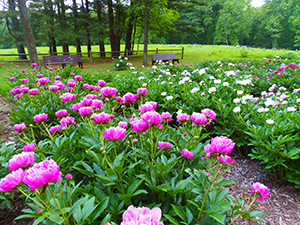
Schwartz Peony Garden

Peony Garden in Seneca Creek State ParkThe Schwartz Peony Garden is a living reminder of one of the great commercial horticulture operations in Montgomery County. Now located in Seneca Creek State Park’s Day Use area, the garden was originally planted at Summit Avenue in downtown Gaithersburg.

Between 1915 and 1924 a prosperous real estate broker and flower fancier, Mr. Edwin P. Schwartz, collected heirloom peonies from dealers in Holland, France, England and Germany as well as the United States. Mr Schwartz’s mansion home, which once overlooked the garden, is now Gaithersburg City Hall. By the 1920s the family had become prominent peony root stock dealers, publishing a catalog offering hundreds of different varieties for order by mail. In the 1940s the family moved their commercial garden operations to five acres in what is now Seneca Creek State Park.

Thousands of individual peony plants in scores of varieties still bloom in the park every May and June. Visit the display garden and walk the open fields to enjoy the spectacular flowers in all their colors and varieties.​

Brighton Dam Azalea Garden


Roses at the Franciscan Monastery
               
                                                            McCrillis Gardens
                                                            
Beyond the Garden Gates, Downtown Frederick Garden Tours
May 15-16


Havre de Grace Garden Tour and Mart


More info and tickets here


Gardening Hints

  1. Use coffee filters in the bottom of pots to keep the soil from leaking out the bottom.
  2. Dust cinnamon on top of the soil to prevent fungus from killing small seedlings. It can also be useful as a rooting hormone on stem cuttings.
  3. For deep planters, fill the bottom with old cans, water bottles and plant pots. This will improve drainage and make the planter lighter.
  4. Put old sponges into the bottom of a plant pot that dries out quickly. 
  5. Use a post hole digger when planting larger plants, shrubs or trees.
  6. Place an empty soda bottle or milk jug, with small holes punched in the bottom, near newly planted tomatoes or shrubs to fill with water. It will release slowly.


What's Blooming in your Garden?

Marge's Grecian windflower


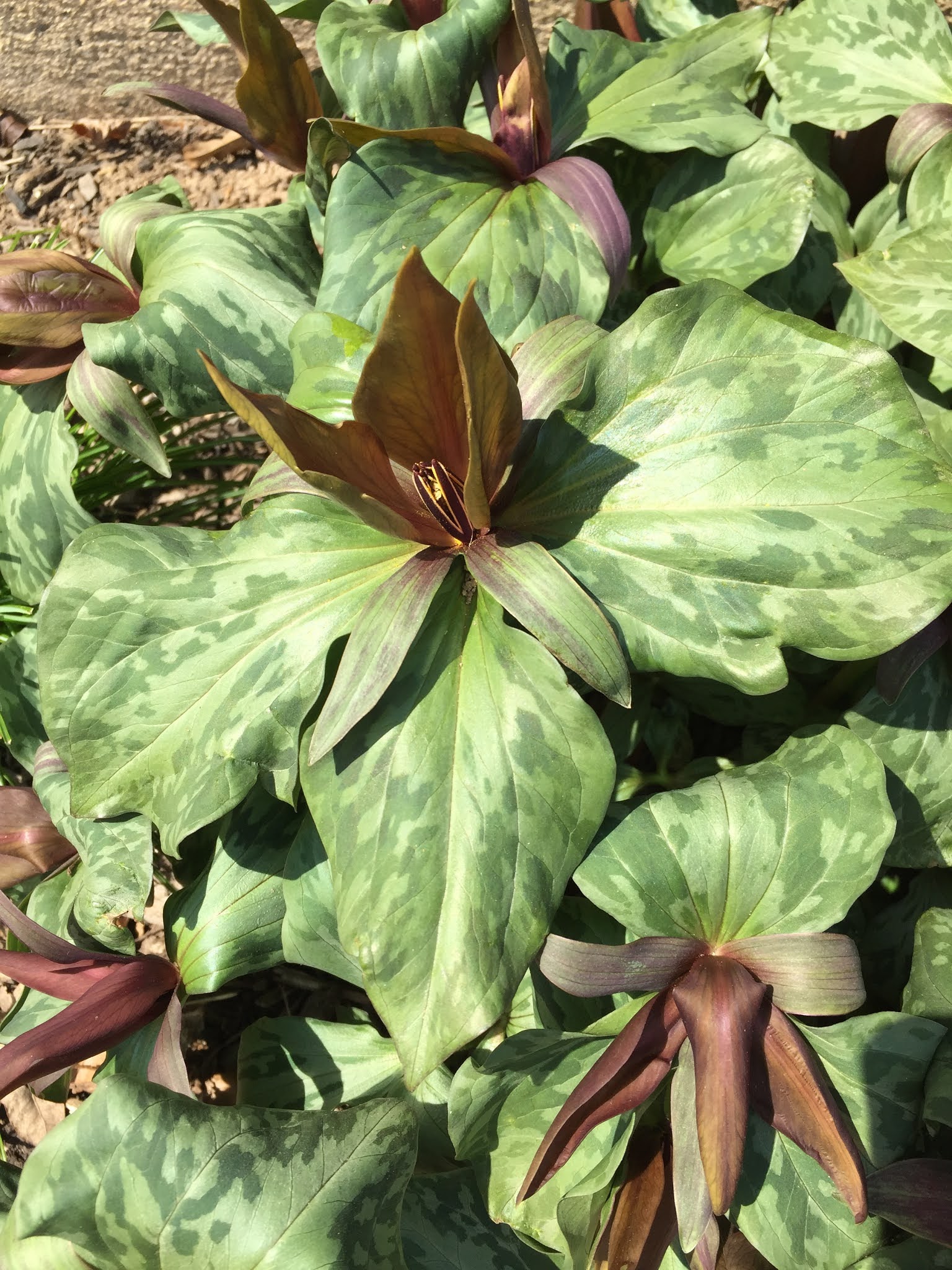
Trillium

Serviceberry

Bloodroot

Virginia Bluebells


Redbud


Supporting Food Insecurity in Montgomery County
A collaborative effort between Harvest Share, the Master Gardeners and the Rainbow Community Development Center, called Growing Healthy Futures, provided materials for creating a green garden out of repurposed crates and educational materials needed to successfully plant, grow and harvest the vegetables. Additionally, throughout the summer, some of our Garden Club members provide fresh produce to this community outreach center through Harvest Share.


.


The Garden Club is a body of the Sandy Spring Museum
Learn more about our activities and how to join the Garden Club.
https://www.sandyspringmuseum.org/programs-and-events/garden-club
email:  gardenclub@sandyspringmuseum.org or call 301-774-0022.
Follow us on Facebook


April 2021 Newsletter


Garden Club News


                🌹Everything Roses🌹  A Virtual Discussion  April 11  2-3:00 PM

A "rose by any other name may smell as sweet" but there are a bewildering number of types and species to choose from. During this virtual discussion, guests will learn about some of the most common types of roses and their attributes. Rose care and pruning will also be covered.  Horticulturalist Carol Allen leads this informative and entertaining program. She has more than thirty years of experience in the horticultural industry with special interests in landscape design and native plants. She has led a wide range of horticultural discussions at area colleges and enjoys helping people understand how to care for their plants.                      Register here

 Back by Popular Demand

The Sandy Spring Museum Garden Club

Drive-Thru Plant Sale

Saturday May 15

If you have perennials that need thinning out, consider donating them to the plant sale. We would like 5 or more of the same type of plant. They need to be planted in sanitized pots.

If you need pots, send an email to: gardenclub@sandyspringmuseum.org.

This is how to sanitize pots: Prepare three large buckets: 1 - water with a little liquid soap; 2 - 9 parts water to 1 part mild, unscented bleach; 3 - clean water. Scrub pots in the bucket with soap and water. A brush and sponge are helpful. Rinse pots in water, then soak in the bleach solution for 10-15 minutes. Wear long rubber gloves with cuffs to avoid getting bleach on your clothes. Remove pots and place them in the clean water to rinse them. If you have terra cotta pots, submerge them in a container of clean water and soak for 10 minutes to remove the bleach from the pores of the material. Spread pots on an old sheet to air-dry, preferably in the sun. The pots should be completely dry before adding soil and plants. It may take a day or two, depending on the weather.

Spring Ephemerals

The Garden Club's March program was presented by Carol Allen. It is now on YouTube. Enjoy the beautiful photos of all the glorious flowers that bloom in the woods and can be naturalized to our wooded gardens.

                                          Garden Tour of Spring Bulbs

" Blossom by blossom the Spring begins"  Algeron Charles Swinson

                                        Here are some local places to see Spring color in our area:

Brookside Gardens, Wheaton, MD

Burnside Gardens, Nokesville, Virginia-pick your own

Marriot Woodward Park, Washington, D.C.


The Rawlings Conservatory and Botanic Garden 


Flower Mart at Mount Vernon Place, Baltimore


Historic Garden Week in Virginia
                                                                    April 17-22

The Historic Takoma Park House and Garden Tour
                                                        has been set for May 2

The Maryland House and Garden Pilgrimage will resume next year.


Bee Hotels
Our native bees will be looking for a place to build their nests. Building and managing bee hotels for wild bees is a great resource on our local bees. Kids will enjoy gathering bundles of cut pieces of bamboo, paper straws and hollow stems to glue into a container for your homemade bee hotel.


 April Garden Chores
  • Cut back vines that are growing where you don't want them,
  • Cut back ornamental grasses, including liriope.
  • Start weeding!
  • Topdress with compost and/or mulch.
  • Divide, move and transplant perennials and shrubs.


What's Blooming in Your Garden?

Snowdrops


Hellebore
Forsythia

Daffodils and Siberian Squill

Crocuses


Gardening Programs Online
Beautiful Bluebirds of Maryland is an educational program from the Audubon Society of Central Maryland and the Maryland Bluebird Society.
Homestead Gardens presents: Gardening with Kathy -No Fail Container Gardening, April 7th, 7:00-8:00 PM  Sign up here
The US Botanic Gardens has frequent classes, including Spring Container Gardening on Thursday, April 22 at 10:39 AM.


The Garden Club is a body of the Sandy Spring Museum
Learn more about our activities and how to join the Garden Club.
https://www.sandyspringmuseum.org/programs-and-events/garden-club
email:  gardenclub@sandyspringmuseum.org or call 301-774-0022.
Follow us on Facebook


March 2021 Newsletter


Garden Club Update

The Steering Committee has been busy planning this year with many exciting programs and events, within Covid restrictions of course.  Please join us for these upcoming virtual programs:


Spring Ephemerals
                                               March 14     2-3:30 PM                                               
Carol Allen, horticulturalist

Those first flowers in the spring are a balm to the winter-weary soul! Guests will have a look at some early spring flowers, both native and non-native. This virtual discussion will include supporting early pollinators and how to create an early spring blooming tapestry.
   
 Horticulturalist Carol Allen leads this informative and entertaining program. She has more than thirty years of experience in the horticultural industry with special interests in landscape designs and native plants. She has led a wide range of horticultural discussions at area colleges and enjoys helping people understand how to care for their plants.
                                                                  RESERVE YOUR SPOT


Everything Roses
April 11      2-3:30 PM
Carol Allen, horticulturalist

A "rose by any other name may smell as sweet", but there are a bewildering number of types and species to choose from. During this virtual discussion, guests will learn about some of the most common types of roses and their attributes. Rose care and pruning will also be covered. Horticulturalist Carol Allen leads this program.

Reserve Your Spot


Home Remedies to Control Pests in the Yard and Garden

On February 14, Marilyn Kessinger gave a wonderful presentation on pests. She described many solutions to the pest problems we may have in our home, yard and garden, now and in the coming summer months. Here are a few of her suggestions:

To deter mice, use strong scents in areas they may inhabit or enter your home. Cotton balls may be soaked in peppermint, ammonia, cloves, hot pepper, white vinegar or citronella to keep them away.  Commercial products which do not include pesticides include Pestblock and Tomcat, rodent-deterrant expanding foams, and Mouse Magic, a peppermint and spearmint product available in sachets or pellets. Steel wool and crumpled aluminum can also be put into crevices and small holes.


Ants can also be a nuisance in your home. They also don't like strong smells such as cinnamon, essential oils, cayenne, black pepper and citronella. Borax is a safe way to kill a nest of ants. A bait of 1 part borax and 3 parts sugar will attract ants who will in turn carry the borax back to the nest. Other recipes for this concoction include:1 tsp borax/1/2 cup honey, 1 tsp peanut butter/2 tsp borax/2 T honey.
A spray made with 1-20 drops of peppermint in a cup of water would make a good repellent and chalk and diatomaceous earth are great barriers to ants. Why not plant mint near the house foundation to deter ants?

Fruit flies that are attracted to mature fruit and vegetables can be a nuisance any time of year. Since they are attracted to vinegar, make a trap of vinegar, with a few drops of liquid soap added, in a small dish or jar lid, cover it with plastic wrap and prick a few  holes in it. The flies go in and can't get out. Or leave out an almost empty opened wine bottle to capture the party-goers.
White flies, fungus gnats, scale and spider mites can be a real problem with houseplants. Safer brand houseplant sticker stakes will attract and kill flying insects. The larvae can be eliminated with a drench made from 1 part 3% hydrogen peroxide and 4 parts water. Natural plant derivatives neem and pyrethrin are available in stores. To make a homemade insecticidal soap simply add a few drops of vegetable oil and liquid soap to a spray bottle with one cup warm water.

Dust mites can best be controlled by frequent vacuuming and using zippered pillow covers. Sprays with aromatics such as lavender, clove, eucalyptus , peppermint and rosemary are also useful.


BTI is a biological control for mosquito larvae. Mosquito dunks placed in water barrels, ponds and water features or broken up and sprinkled into the saucer under your outdoor plants and downspout extensions will help to stop the life cycle of these pests. Commercial sprays may kill pollinator bees, beneficial insects and our darling lightening bugs.

Ticks are also offended by certain smells and plants including flea bane daisy, lemongrass, garlic lavender, cedar, rose geranium, rosemary, mint, chrysanthemum, wormwood and marigolds.


And because mice are the major carrier of ticks, make some tick tubes by placing lint or cotton balls soaked in pyrethrin inside empty toilet paper tubes and place in areas around your yard and near brush piles. 


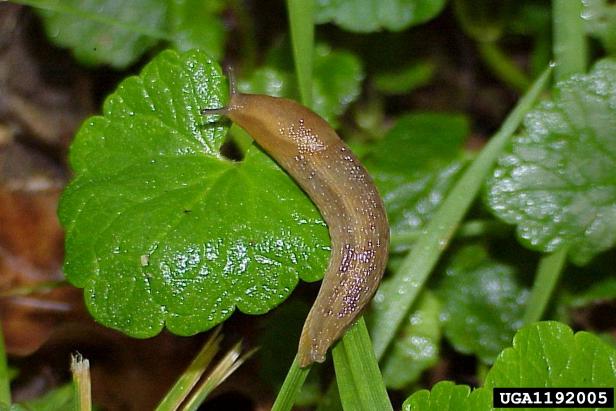
Slugs like to party in beer, leading to their demise. You could also spray them directly with white vinegar, dust the ground with diatomaceous earth, or use slug controls with nemotodes or iron phosphates. To keep slugs out of pots, try putting copper flashing or pennies all around the sides of the pot. The slugs will get a shock! Plants they don't like are garlic, fennel, rosemary, rue, anise and wormwood. 

You can watch the full video HERE.


Garden Travel at Cherry Blossom Time

The Tidal Basin is well known for it's cherry blossoms. The virtual  National Cherry Blossom Festival is March 20-April 11, 2021. There are other, less crowded places to see cherry blossoms as well and since being outdoors is a sensible way to be socially distant, perhaps a little garden travel is in order.

National Arboretum


                                                                        Dumbarton Oaks

                                                         Druid Hill Park, Baltimore

                                                  Brookside Gardens, Wheaton, MD

Epsworth United Methodist Church, Gaithersburg


                                                                 Fairmount Park, Philadelphia


                                                      Pagoda at Patterson Park, Baltimore


House Plants 

Kathy R's African violets...

Mini Cyclamen

Euphorbia Lactea Cristata Coral Cactus


Marge's primrose
                                                               
Jan's Curry plant, Dracaenas and oxalis (purple shamrock)

Houseplants add the greenery we miss outdoors this time of year. Be sure not to overwater, but mist occasionally, and use a light to extend the daylight. 


March Garden Chores
  • Clean up - get an early start by cleaning the yard and garden beds, cutting back grasses and ratty-looking foliage of perennials. Stems left over winter may have nesting bees, so leave the stalks or lay the trimmings on the ground.
  • Mulch to prevent new weeds and hold the moisture.
  • Create places to step as the garden will be extremely wet.
  • Seed the bald spots and fertilize your lawn, but not at the same time.
  • Prune summer blooming shrubs.
  • Plant potatoes, onion sets, peas, beets and kale.
Through the snow, life emerges.
Say hello snowdrops!


The Garden Club is a body of the Sandy Spring Museum
Learn more about our activities and how to join the Garden Club.
https://www.sandyspringmuseum.org/programs-and-events/garden-club
email:  gardenclub@sandyspringmuseum.org or call 301-774-0022.
Follow us on Facebook